
Table of Contents
Introduction to Skin Health and Disease
Skin diseases represent one of the most common health concerns worldwide, affecting approximately one-third of the global population at any given time. Our skin—the body’s largest organ—serves as our first line of defense against environmental threats, regulates body temperature, and provides sensory information. When skin diseases develop, they can significantly impact physical comfort, appearance, and psychological well-being.
This comprehensive guide explores the complex world of dermatological conditions, offering detailed information about common and rare skin disorders, their underlying causes, diagnostic approaches, and the latest treatment options. Understanding these conditions is the first step toward effective management and healthier skin.
The Structure and Function of Healthy Skin
To understand skin diseases, we must first appreciate the complexity of healthy skin. The skin consists of three primary layers:
-
Epidermis: The outermost barrier layer containing keratinocytes, melanocytes, and immune cells
-
Dermis: The middle layer housing hair follicles, sweat glands, blood vessels, and nerve endings
-
Hypodermis: The deepest layer composed of fat and connective tissue
This intricate structure performs essential functions including thermoregulation, sensation, vitamin D synthesis, and protection against pathogens, UV radiation, and physical injury.
Classification of Skin Diseases
Inflammatory Skin Conditions
Eczema (Atopic Dermatitis)
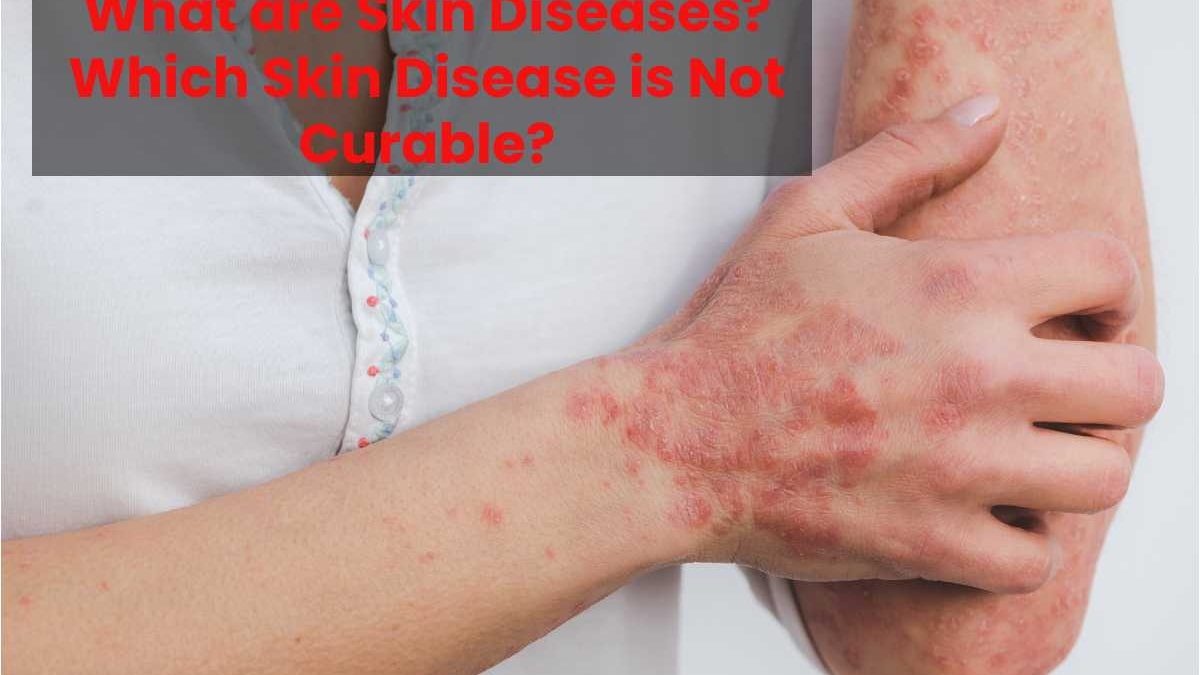
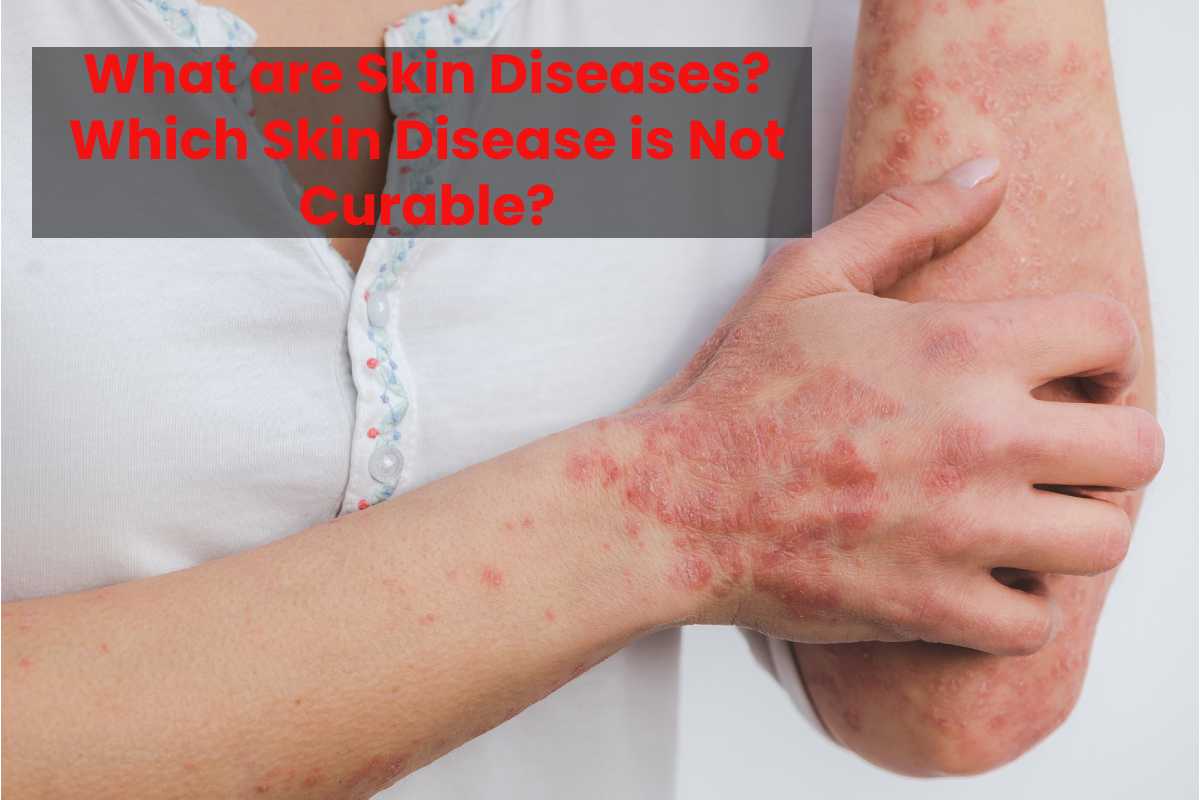
Eczema is a chronic, inflammatory condition characterized by dry, itchy, and inflamed skin. Affecting approximately 10-20% of children and 1-3% of adults globally, eczema typically appears in skin folds and sensitive areas.
Causes and Triggers: Genetic predisposition, immune system dysfunction, environmental allergens, stress, and skin barrier defects. Common triggers include harsh soaps, wool clothing, sweat, and temperature changes.
Management: Treatment focuses on reducing inflammation and repairing the skin barrier through moisturizers, topical corticosteroids, calcineurin inhibitors, and newer biologic medications like dupilumab for severe cases.
Psoriasis
Psoriasis is an autoimmune disorder that accelerates skin cell growth, causing thick, scaly plaques. Approximately 2-3% of the population worldwide has psoriasis, which often follows a relapsing-remitting course.
Subtypes: Plaque psoriasis (most common), guttate, inverse, pustular, and erythrodermic psoriasis. About 30% of patients develop psoriatic arthritis.
Treatment Approaches: Topical treatments (corticosteroids, vitamin D analogs), phototherapy, systemic medications (methotrexate, cyclosporine), and biologics targeting specific immune pathways.
Infectious Skin Diseases
Bacterial Infections
Cellulitis: A potentially serious bacterial infection of deeper skin layers causing redness, warmth, and swelling. Requires prompt antibiotic treatment to prevent systemic spread.
Impetigo: Highly contagious superficial infection common in children, characterized by honey-colored crusts. Treated with topical or oral antibiotics.
Fungal Infections
Dermatophytosis: Ringworm infections affecting skin, nails, and hair. Different types include tinea pedis (athlete’s foot), tinea cruris (jock itch), and tinea capitis (scalp ringworm).
Candidiasis: Yeast overgrowth in moist areas like skin folds, often occurring in immunocompromised individuals or those taking antibiotics.
Viral Infections
Herpes Simplex: Recurrent blisters caused by HSV-1 or HSV-2, managed with antiviral medications.
Human Papillomavirus (HPV): Causes warts on skin and mucous membranes. Treatment includes cryotherapy, salicylic acid, or surgical removal.
Autoimmune and Immune-Mediated Disorders
Lupus Erythematosus
Cutaneous lupus presents with characteristic rashes, often triggered by sun exposure. Systemic lupus involves multiple organ systems and requires comprehensive management.
Vitiligo
A condition characterized by loss of skin pigmentation due to autoimmune destruction of melanocytes. Treatment includes topical steroids, calcineurin inhibitors, phototherapy, and newer JAK inhibitors.
Acne and Sebaceous Gland Disorders
Acne Vulgaris
Affecting approximately 85% of people at some point in life, acne results from hair follicle blockage, excess sebum production, bacterial overgrowth (C. acnes), and inflammation.
Treatment Pyramid: Begins with topical retinoids and benzoyl peroxide, progressing to oral antibiotics, hormonal treatments, isotretinoin for severe cases, and emerging laser and light therapies.
Rosacea
A chronic inflammatory condition causing facial redness, visible blood vessels, and sometimes acne-like bumps. Triggers include sunlight, spicy foods, alcohol, and temperature extremes.
Genetic and Congenital Conditions
Ichthyosis
A group of genetic disorders causing dry, scaly skin resembling fish scales. Management focuses on intensive moisturization and keratolytic agents.
Epidermolysis Bullosa
A rare genetic condition causing extreme skin fragility and blistering with minimal friction or trauma. Requires meticulous wound care and protective measures.
Skin Cancer: The Most Serious Dermatological Concern
Types of Skin Cancer
Basal Cell Carcinoma: The most common skin cancer, rarely metastasizes but can cause local tissue destruction.
Squamous Cell Carcinoma: More aggressive than BCC, with potential to metastasize if untreated.
Melanoma: The most dangerous skin cancer, responsible for the majority of skin cancer deaths despite representing only 1% of cases. Early detection is critical for survival.
Prevention and Early Detection: Sun protection (broad-spectrum SPF 30+ sunscreen, protective clothing, shade seeking), regular self-examinations using the ABCDE rule (Asymmetry, Border irregularity, Color variation, Diameter >6mm, Evolving), and professional skin checks for high-risk individuals.
Diagnostic Approaches in Dermatology
Accurate diagnosis forms the foundation of effective skin disease management:
Clinical Examination: Dermatologists assess lesion morphology, distribution, and pattern using dermatoscopy for magnified visualization.
Skin Biopsy: Histopathological examination of skin samples remains the gold standard for diagnosing many conditions, particularly suspicious lesions and inflammatory disorders.
Patch Testing: Identifies contact allergens in allergic contact dermatitis.
Microbiological Tests: Cultures, KOH preparations, and PCR tests identify infectious organisms.
Blood Tests: Help diagnose systemic conditions with skin manifestations like lupus or vasculitis.
Imaging Techniques: Ultrasound, CT, or MRI may be used to assess disease extent in conditions like cellulitis or certain skin cancers.
Comprehensive Treatment Modalities
Topical Therapies
Corticosteroids: Reduce inflammation in eczema, psoriasis, and other inflammatory conditions. Strength varies from mild (hydrocortisone) to super-potent based on condition and location.
Retinoids: Vitamin A derivatives used for acne, psoriasis, and photoaging. Improve cell turnover and reduce inflammation.
Calcineurin Inhibitors: Non-steroidal anti-inflammatory medications (tacrolimus, pimecrolimus) for eczema and vitiligo.
Antimicrobials: Antibacterial, antifungal, and antiviral agents for infectious conditions.
Systemic Medications
Oral Antibiotics: For moderate to severe acne and bacterial infections.
Immunosuppressants: Methotrexate, cyclosporine, and mycophenolate for severe autoimmune conditions.
Biologics: Targeted therapies blocking specific immune pathways in psoriasis, eczema, and urticaria.
Retinoids: Oral isotretinoin for severe, treatment-resistant acne.
Procedural Interventions
Phototherapy: UVB (broadband and narrowband) and PUVA for psoriasis, vitiligo, and eczema.
Surgical Procedures: Excisions for skin cancers, cysts, and benign growths.
Laser and Light Therapies: For vascular lesions, pigmentation disorders, scarring, and rejuvenation.
Cryotherapy: Freezing with liquid nitrogen for warts, actinic keratoses, and some skin cancers.
The Psychological Impact of Skin Diseases
Skin conditions often carry significant psychological burden due to their visibility. Studies show increased rates of:
-
Depression and anxiety
-
Social isolation and stigma
-
Body image dissatisfaction
-
Reduced quality of life
Integrated care addressing both physical symptoms and psychological impact leads to better outcomes. Cognitive behavioral therapy, support groups, and patient education are valuable adjuncts to medical treatment.
Emerging Research and Future Directions
Dermatology continues to evolve with promising developments:
Precision Medicine: Genetic profiling guiding personalized treatment approaches.
Microbiome Research: Understanding how skin bacteria influence health and disease.
New Biologics and Small Molecules: Targeted therapies with improved efficacy and safety profiles.
Advanced Drug Delivery Systems: Nanotechnology and transdermal delivery improving treatment effectiveness.
Telemedicine: Expanding access to dermatological care, particularly for underserved populations.
Prevention and Maintenance of Skin Health
Proactive measures can prevent or minimize many skin conditions:
-
Sun Protection: Daily broad-spectrum sunscreen, protective clothing, and avoiding peak sun hours
-
Gentle Skin Care: pH-balanced cleansers, regular moisturizing, and avoiding harsh products
-
Healthy Lifestyle: Balanced nutrition, adequate hydration, stress management, and smoking cessation
-
Regular Self-Examinations: Monthly skin checks for new or changing lesions
-
Professional Care: Annual dermatological exams, especially for high-risk individuals
When to Seek Professional Help
Consult a dermatologist if you experience:
-
Rapidly changing moles or new skin growths
-
Rashes that are painful, widespread, or not improving with over-the-counter treatments
-
Severe acne causing scarring or emotional distress
-
Chronic conditions like eczema or psoriasis requiring ongoing management
-
Signs of skin infection (increasing redness, warmth, pus, fever)
Conclusion: Empowering Skin Health
Skin diseases encompass a vast spectrum of conditions with varying causes, presentations, and treatments. While this guide provides comprehensive information, it cannot replace personalized medical advice from a qualified dermatologist. Modern dermatology offers increasingly effective treatments for even the most challenging conditions. By understanding your skin, recognizing concerning changes, and partnering with healthcare professionals, you can achieve and maintain optimal skin health throughout your life.
Remember that skin health reflects overall wellbeing—a holistic approach addressing both internal health and external care typically yields the best results. Whether managing a chronic condition or preventing future problems, proactive attention to skin health pays dividends in comfort, appearance, and quality of life.